
 Blog
BlogTadoba Andhari Tiger Reserve, widely known as the Tadoba Jungle Safari, is one of India’s premier wildlife destinations. Located in the Chandrapur district of Maharashtra, Tadoba is not just a haven for wildlife enthusiasts but also a place steeped in history and cultural significance. This blog delves into the history of the Tadoba jungle safari, how it evolved into a popular eco-tourism destination, and its role in preserving India’s natural heritage. If you are planning your Tadoba safari booking, understanding its rich past adds a layer of appreciation to your adventure.
The Origin of Tadoba
The name “Tadoba” is derived from the local deity “Taru,” worshipped by the tribal communities of the region. Legend has it that Taru was a valiant village chief who was killed in a mythical encounter with a tiger. To honor his bravery, the locals established a shrine, and the surrounding forest was named after him. Even today, the shrine remains a sacred site within the reserve, frequented by tribal communities during their traditional festivals.
Establishment as a Wildlife Reserve
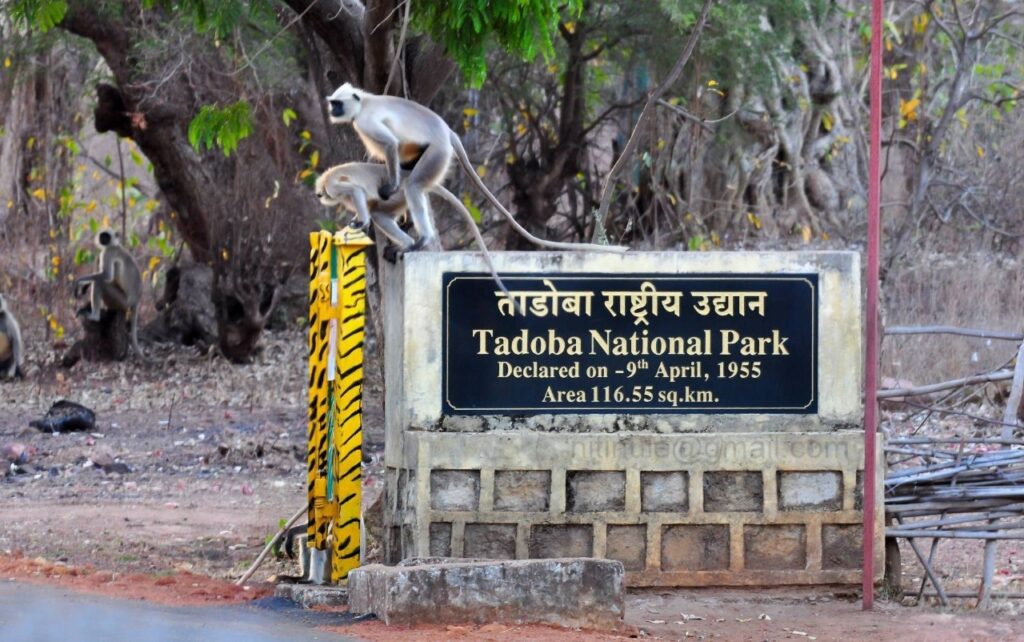
The Tadoba region’s history as a protected area began in 1935 when it was declared a reserved forest. Over the decades, concerns about deforestation and dwindling wildlife populations prompted efforts to conserve its unique ecosystem. In 1955, the Tadoba National Park was officially established, covering an area of 116.54 square kilometers. However, it wasn’t until 1995, when the Andhari Wildlife Sanctuary was merged with the national park, that the Tadoba Andhari Tiger Reserve (TATR) was formed, encompassing a total area of 625.4 square kilometers.
This expansion aimed to create a safe habitat for the reserve’s diverse flora and fauna, particularly the Bengal tiger, which has become synonymous with Tadoba jungle safari experiences.
Evolution of Tadoba Jungle Safari
The concept of the Tadoba jungle safari evolved gradually as the reserve gained recognition for its rich biodiversity and thriving tiger population. Initially, the reserve was primarily focused on conservation and research. However, the growing demand for wildlife tourism in India led to the development of eco-tourism initiatives.
In the early 2000s, Tadoba began offering guided jeep safaris, allowing visitors to explore its dense forests and spot wildlife in their natural habitat. This move not only generated revenue for conservation efforts but also provided employment opportunities for the local communities. Over time, Tadoba safari booking systems became more organized, with online platforms simplifying the process for tourists.
Key Milestones in Tadoba’s History
- 1955: Establishment of Tadoba National Park.
- 1995: Formation of Tadoba Andhari Tiger Reserve by merging Tadoba National Park and Andhari Wildlife Sanctuary.
- 2007: Introduction of modern safari facilities, including regulated entry points and trained naturalists.
- 2010s: Adoption of online Tadoba safari booking systems to enhance accessibility for tourists worldwide.
Unique Biodiversity of Tadoba
Tadoba is often referred to as the “Jewel of Vidarbha” due to its diverse ecosystem, which includes dense forests, grasslands, and water bodies. The reserve is home to a remarkable array of species, making it a prime destination for wildlife enthusiasts.
Flora
The dominant vegetation in Tadoba is dry deciduous forest, with teak and bamboo being the primary species. The region’s lush greenery provides ample cover and food for herbivores, creating a balanced ecosystem.
Fauna
Tadoba is best known for its tiger population, but it is also home to leopards, sloth bears, wild dogs, and numerous herbivores like spotted deer and gaur. Birdwatchers can delight in spotting over 195 species of birds, including crested serpent eagles and grey-headed fish eagles.
This biodiversity is a significant draw for Tadoba jungle safari participants, who often return with tales of thrilling wildlife encounters.
Role of Local Communities
The local tribal communities, such as the Gonds, have lived in harmony with the forest for centuries. Their traditional knowledge of the land has been invaluable in conservation efforts. Many community members are now employed as guides and drivers for the Tadoba jungle safari, bridging the gap between tourism and conservation.
Additionally, eco-tourism initiatives have empowered these communities economically while fostering a sense of responsibility towards preserving their natural heritage.
Conservation Challenges and Achievements
Like many wildlife reserves, Tadoba has faced challenges, including poaching, human-wildlife conflict, and habitat degradation. However, concerted efforts by the Maharashtra Forest Department and non-governmental organizations have significantly improved the reserve’s conservation status.
Key achievements include:
- Increasing Tiger Population: Tadoba’s tiger population has shown steady growth, thanks to anti-poaching measures and habitat management.
- Eco-tourism Success: The revenue generated from Tadoba safari bookings has been reinvested into conservation and community development.
- Awareness Campaigns: Initiatives to educate tourists about responsible wildlife tourism have minimized environmental impact.
Modern-Day Tadoba Jungle Safari Experience
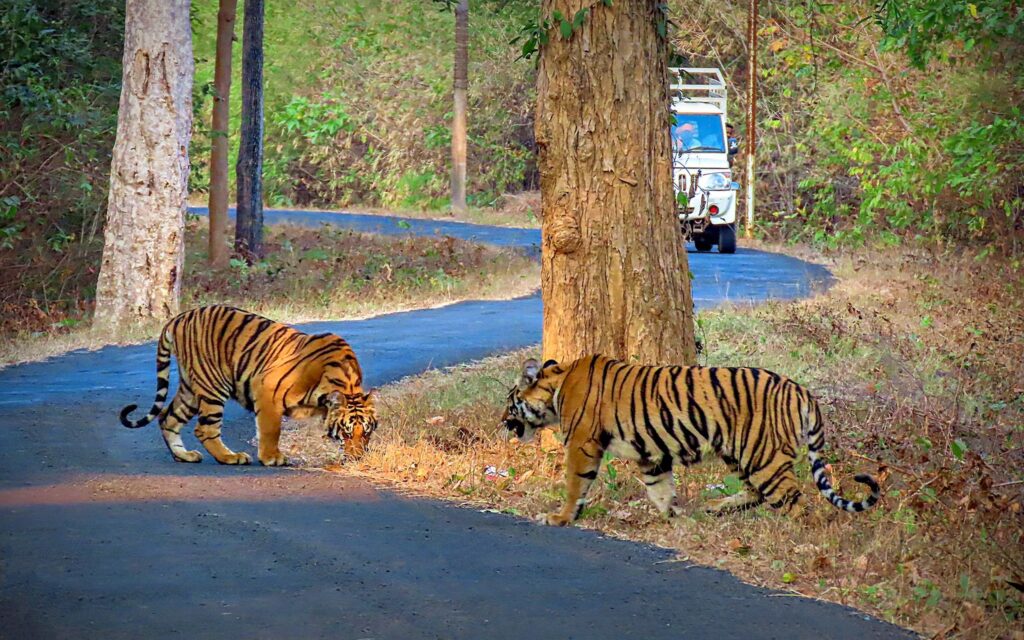
Today, the Tadoba jungle safari is a well-organized experience that attracts thousands of visitors annually. The reserve offers both jeep safaris and boat safaris, catering to diverse preferences.
Jeep Safari
Jeep safaris remain the most popular way to explore Tadoba. Visitors can book morning or evening slots, each offering unique opportunities to spot wildlife. Trained guides accompany every vehicle, ensuring a safe and educational experience.
Boat Safari
For those seeking a quieter, more serene adventure, the boat safari on the Irai Lake is an excellent option. This experience allows visitors to observe aquatic birds, crocodiles, and other water-dwelling creatures.
Tadoba Safari Booking Tips
- Plan in Advance: Safari slots fill up quickly, especially during peak seasons. Use online Tadoba safari booking platforms to secure your preferred dates.
- Choose the Right Zone: Tadoba is divided into multiple safari zones, each offering unique landscapes and wildlife. Research the zones to maximize your chances of tiger sightings.
- Follow Guidelines: Respect the reserve’s rules to ensure a safe and enjoyable experience for all.
Tadoba’s Future
As eco-tourism continues to grow, the Tadoba Andhari Tiger Reserve faces the dual challenge of accommodating tourists while preserving its fragile ecosystem. Innovations such as sustainable tourism practices and advanced technology for monitoring wildlife are paving the way for a brighter future.
Efforts are also underway to expand the reserve’s buffer zones, providing more space for wildlife and reducing human-wildlife conflicts. By balancing conservation with tourism, Tadoba aims to remain a shining example of India’s commitment to preserving its natural heritage.
Conclusion
The history of the Tadoba jungle safari is a testament to the harmonious coexistence of conservation and tourism. From its origins as a sacred forest to its status as a premier wildlife destination, Tadoba has come a long way. Whether you’re a first-time visitor or a seasoned wildlife enthusiast, a Tadoba safari booking promises an unforgettable journey into the heart of nature. As you embark on this adventure, take a moment to appreciate the history and efforts that have shaped this incredible reserve—a true jewel of India’s wilderness.